




![Popular Small-Size Actress Aunty Ajara Dies After Liver Illness [VIDEO]](https://thepunchng.com/wp-content/uploads/2026/02/20241109_125042-75x75.jpg)



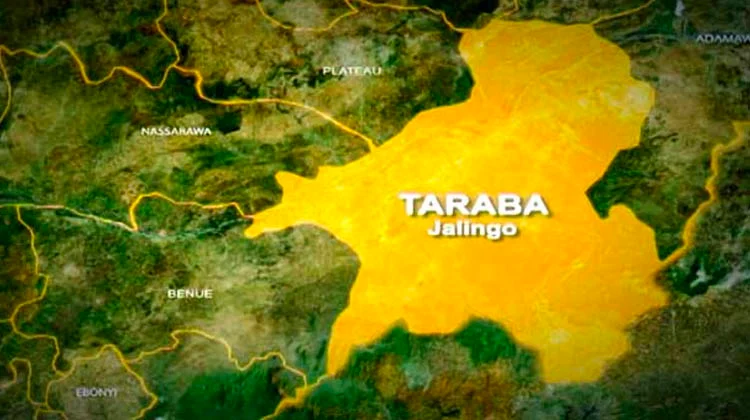
At dawn in Chanchanji Ward, an agrarian area in Takum Local Government Area of Taraba State, the sounds of nature have been replaced by fear. Residents say birdsong has given way to gunfire, frantic footsteps, and whispered prayers as families flee their homes.
Farmlands that once sustained generations of Tiv farmers now lie abandoned—scarred by burnt homes, shallow graves, and the silence of displacement.
Relentless Attacks on Tiv Communities
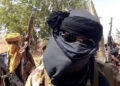
For Tiv communities in Chanchanji, attacks by armed herdsmen have become a grim daily reality. Survivors, community leaders, and clerics allege a consistent pattern: villages and farmlands are stormed, residents killed, homes razed, and entire communities forced to flee.
What began about two months ago as sporadic clashes has, according to locals, escalated into sustained violence that many now fear amounts to ethnic cleansing and religious persecution.
Residents told Arewa PUNCH that attacks often occur while farmers are tending their crops. Entire villages are emptied overnight, leaving behind ashes, broken tools, and desolation.
Soldiers Killed in Ambush
The latest escalation has further deepened residents’ fears. Near Avande village, close to Kufai Ahmadu, security sources confirmed that three soldiers were killed in an ambush while responding to distress calls from affected communities.
Locals say the incident underscores how overwhelmed existing security measures have become.
“If soldiers sent to protect us were killed, then we are completely exposed,” said Nongonen Terngu, a displaced farmer. “We no longer farm; we are only trying to survive.”
Lawmakers Raise Alarm
The crisis has reached the Taraba State House of Assembly, where Abubakar Tanko Yusuf, representing Takum I State Constituency, raised the matter during plenary.
Describing the killings as “barbaric and unnecessary,” Tanko warned that what initially appeared isolated had evolved into sustained violence threatening Takum and neighbouring areas. He urged security agencies to urgently investigate the attacks, arrest perpetrators, and ensure prosecution, cautioning that continued inaction could embolden criminal elements.
While appealing for calm, he called for reinforced security deployment, improved intelligence gathering, and stronger grassroots engagement in identified flashpoints.
Church Sounds Alarm Over Humanitarian Crisis
Beyond the legislature, religious leaders have also raised the alarm.
During a thanksgiving Mass in Taraba State, Bishop Mark Maigida Nzukwein delivered a homily that doubled as a plea for urgent intervention. Speaking during the election of Very Rev. Dr. Williams Awoshiri and Mr. Job Julius as CAN and YOWICAN chairmen respectively, the bishop painted a grim picture of violence in Southern Taraba.
He alleged that over 70 people have been killed in the past three months alone across Ussa and Takum LGAs, particularly in Chanchanji Ward. According to him, attacks have destroyed homes and farmlands and displaced residents in more than 200 villages.
Looking further back, Bishop Nzukwein described what he called a prolonged humanitarian catastrophe, claiming that over the past three decades, violence in Southern Taraba has led to the destruction of over 335 rural communities and churches, displacing more than 300,000 people, many without access to food, medical care, or relief support.
“These are not just numbers,” the bishop said. “They are lives, families, and communities being wiped away quietly.”
95 Communities Affected
Local reports compiled by community stakeholders indicate that more than 95 communities in Chanchanji Ward alone have been affected. Villages including Unom, Adu, Facii, Atogbenda, New Gboko, Akwaya, Gberugo, Demava, Avaande, Tse Peeki, Tse Karmal, Tse Akanyi, Tse Ugbãa, Kwanta, Wambe, Wantsar, Ayiase, Vendagoor, Kumun, Virgir, and Dooshiman, among others, are said to have suffered killings, arson, and mass displacement.
Women and children now crowd neighbouring communities, farmlands lie idle, and local markets struggle to function.
Calls for Wider Intervention
Religious leaders argue that the victims are overwhelmingly Christian farming communities, a pattern they say fuels fears of targeted persecution—concerns that echo recent international discourse, including allegations of Christian persecution in Nigeria raised by former U.S. President Donald Trump.
While authorities often frame the violence as resource-based conflict, affected communities insist that the scale, consistency, and duration of the attacks demand deeper scrutiny.
Bishop Nzukwein urged the media, humanitarian organisations, and people of goodwill to act, stressing that the crisis requires attention beyond government circles.
Police Respond
When contacted, Taraba State Police Public Relations Officer, ASP Victor Mshelizah, confirmed that security personnel have been deployed to the affected areas.
“Security personnel have been deployed to restore peace. We are doing everything possible to keep every part of Taraba safe,” he said.
A Community Waiting for Justice
For now, residents say they no longer want sympathy—they want security, justice, and the chance to return safely to their ancestral homes.
As blood continues to soak farmlands and churches conduct funerals instead of harvest thanksgivings, abandoned villages stand as mute witnesses. Community leaders warn that unless the Federal Government and the international community intervene decisively, Chanchanji risks becoming yet another tragic symbol of Nigeria’s unresolved Middle Belt crisis—where faith, ethnicity, and survival collide, and the living bury their dead in silence.