




![Popular Small-Size Actress Aunty Ajara Dies After Liver Illness [VIDEO]](https://thepunchng.com/wp-content/uploads/2026/02/20241109_125042-75x75.jpg)



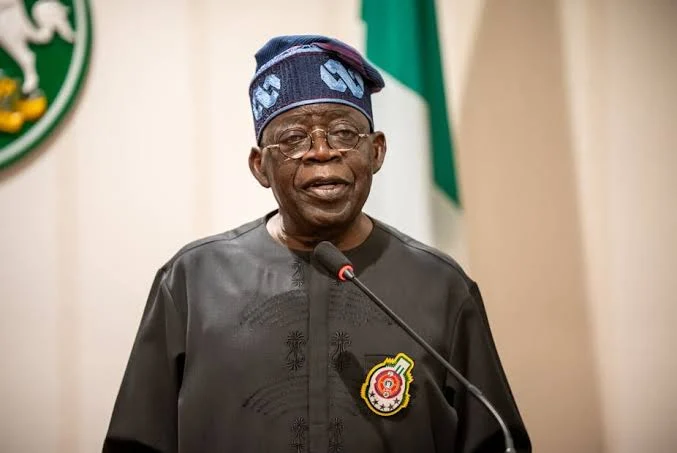
President Bola Tinubu has reaffirmed that the implementation of Nigeria’s new tax laws will proceed as scheduled, with no plans for delay or reversal.
In a statement personally signed on Tuesday, the President confirmed that the tax reforms—some of which were enacted on June 26, 2025, while others are set to take effect on January 1, 2026—will be implemented as planned.
According to Tinubu, the reforms represent a “once-in-a-generation opportunity to build a fair, competitive, and robust fiscal foundation” for Nigeria.
Reforms Not Meant to Raise Taxes
The President clarified that the new tax laws are not designed to increase the tax burden on Nigerians. Instead, he explained, the reforms aim to reset the country’s fiscal framework by promoting harmonisation, protecting dignity, and strengthening the social contract between citizens and the state.
Tinubu urged all stakeholders to support the implementation phase, noting that the reform process has now moved decisively into the delivery stage.
“No substantial issue has been identified that warrants a disruption of the reform process,” he said.
He added that public trust is built over time through sound and consistent decision-making, rather than through “premature, reactive measures.”
Commitment to Due Process
The President reaffirmed his administration’s commitment to due process and the integrity of laws duly enacted, pledging continued collaboration with the National Assembly to address any concerns that may arise during implementation.
He assured Nigerians that the government remains focused on acting in the overriding public interest to create a tax system that promotes shared responsibility, economic growth, and national prosperity.
Implementation Firmly on Schedule
PUNCH Online had earlier reported that following a high-level meeting with President Tinubu on Friday, December 26, 2025, the Chairman of the Presidential Committee on Fiscal Policy and Tax Reforms, Taiwo Oyedele, confirmed that the final implementation phase is firmly on track.
The phase covers the Nigeria Tax Act and the Nigeria Tax Administration Act, both of which are central to the reform agenda.
According to Oyedele, the decision to move forward is anchored on the “pro-people” nature of the laws, which are deliberately structured to shift the tax burden away from vulnerable Nigerians.
The reforms are expected to deliver significant relief, with government projections indicating that about 98% of Nigerian workers and 97% of small businesses will either be fully exempt from taxes or experience substantial reductions in their tax liabilities.