




![Popular Small-Size Actress Aunty Ajara Dies After Liver Illness [VIDEO]](https://thepunchng.com/wp-content/uploads/2026/02/20241109_125042-75x75.jpg)


Government says funds were a short-term, fully repaid intervention to meet NAHCON deadline
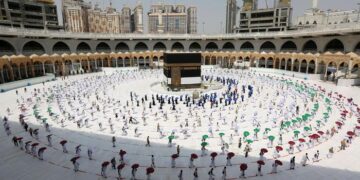
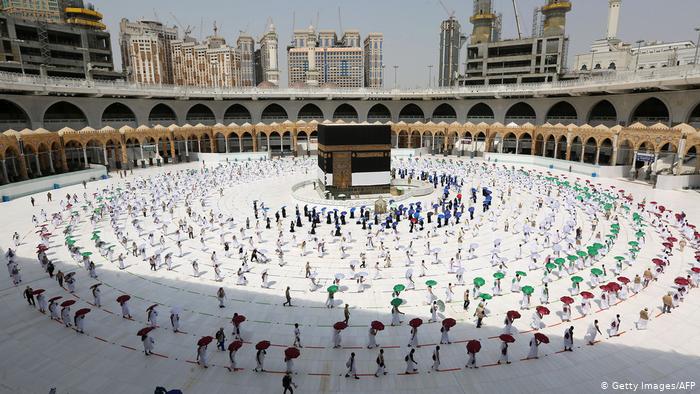
The Kebbi State Government has clarified that the ₦10 billion referenced in a recent statement by the Muslim Rights Concern (MURIC) was not a subsidy or diversion of public funds for Hajj sponsorship, but a temporary loan extended to intending pilgrims to meet a strict payment deadline set by the National Hajj Commission of Nigeria (NAHCON).
The clarification was made on Tuesday in Birnin Kebbi during a press briefing addressed by the Commissioner for Information and Culture, Alhaji Yakubu Ahmed. He explained that the funds were advanced through the Kebbi State Pilgrims Welfare Agency on a recoverable basis and were fully refunded within eleven days.
According to Ahmed, NAHCON fixed December 5, 2025, as the final deadline for full payment for participation in the 2026 Hajj. By that date, about 2,000 pilgrims from Kebbi State had completed payment, while approximately 1,300 others had only made partial deposits.
The commissioner said the short-term intervention was necessary to prevent Kebbi State from losing its officially allocated Hajj slots due to incomplete payments.
“Many of the affected pilgrims are seasonal farmers and traders whose ability to meet the deadline depended on proceeds from late-year harvests and market activities,” Ahmed said.
He added that repayment of the ₦10 billion loan was completed on December 16, 2025, noting that bank records and agency documentation were available for public verification.
Ahmed disclosed that the intervention raised Kebbi State’s number of fully paid pilgrims to 3,629, making it the second-highest contributor nationwide and placing the state among the first batch approved for airlift for the forthcoming pilgrimage.
Responding to claims that the move reflected misplaced public priorities, the commissioner stressed that the state’s ongoing investments in healthcare and other social sectors were unaffected. He described the arrangement as a “temporary liquidity bridge”, not sponsorship or subsidy.
MURIC had earlier questioned the propriety of deploying public funds for what it described as Hajj-related financing, warning that such actions could divert resources from critical development needs and set an undesirable precedent.
Hajj funding has long been a subject of debate in Nigeria. While state and federal authorities oversee pilgrim registration, logistics, and airlift coordination, states do not directly sponsor Hajj participation. However, many—particularly in northern Nigeria—provide administrative and logistical support, including short-term financial interventions to meet NAHCON and Saudi regulatory requirements.
In recent years, exchange rate volatility and tighter payment deadlines have intensified financial pressure on intending pilgrims, many of whom rely on seasonal income from agriculture and local trade. States such as Kano, Kaduna, Sokoto, and Kebbi are often among the most affected due to their large pilgrim contingents.
Kebbi State has consistently ranked among Nigeria’s leading participants in Hajj operations. Officials warn that losing slots due to delayed payments would not only harm intending pilgrims financially but also undermine public trust among those who had already made substantial deposits.
The state government urged advocacy groups and public commentators to verify financial facts before issuing statements, reiterating its commitment to transparency, accountability, and prudent resource management.